


Promoting a high performer is one of the most common ways organizations fill leadership roles. When a employee consistently delivers results, takes ownership, and exceeds expectations, promoting them feels like the right decision.
The challenge is that strong individual performance doesn’t automatically mean someone is ready to lead others. In fact, leadership demands a different set of strengths, like guiding people, making decisions, delegating work, handling difficult conversations, and helping a team perform better, not just excelling individually.
What Performance Reviews Don't Tell You
Usually, a performance review shows us how someone performed in their current role. However, it doesn’t tell us exactly whether someone can bring a team together during a difficult project, delegate work with confidence, step in when teammates are struggling, or if they can keep everyone aligned under pressure. Performance metrics alone don’t show how someone handles disagreements, communicates during challenging situations, or supports the team when deadlines are at risk.
These qualities may not matter as much when someone is working as an individual contributor, but they become essential when it comes to leading a team.
Sometimes the person who is quietly helping others succeed, keeps encouraging, and keeping the team moving forward is far more prepared to lead than the person with the highest performance score.
Why 360 Degree Feedback makes sense before a promotion
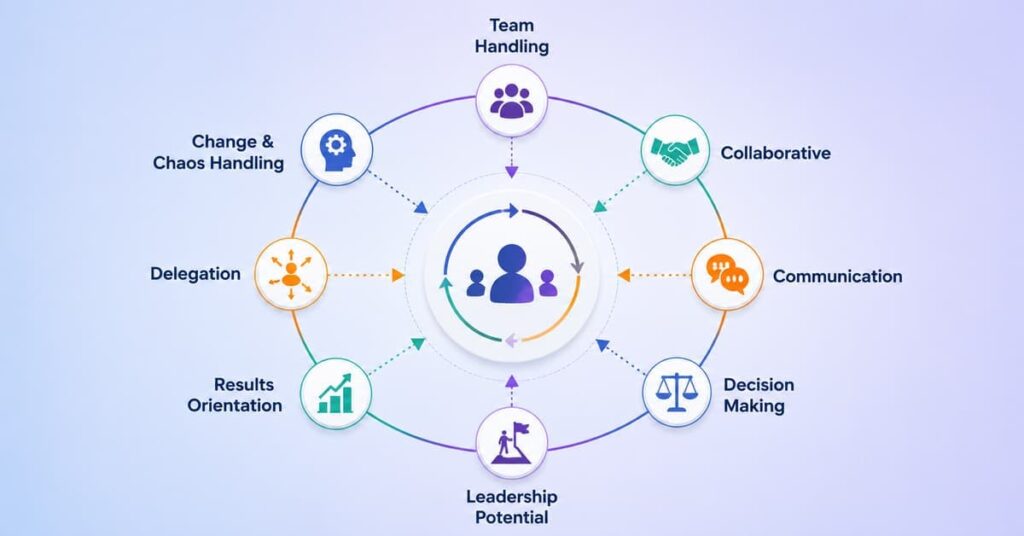
Instead of relying on just one person’s opinion, where the direct reporting manager decides based mainly on performance metrics, 360 Degree Feedback survey gathers structured feedback from the people who work closely with the employee, including peers, managers, direct reports, and other stakeholders.
Each of them sees a different side of the person. A peer may share how the person stepped in during a difficult project, supported the team, or helped solve a challenging situation, and a manager may have observed how the person handled the team in his absence, ensured work was completed on time, managed stakeholders, and kept projects moving without delays. Others may notice how the person delegates work, collaborates with teammates, and brings everyone together to achieve a common goal.
The goal isn’t to decide whether someone deserves a promotion. It’s to understand how they are already showing up as a leader. For example, someone may consistently deliver excellent results but still struggle to delegate responsibilities or lead a team effectively.
These insights help organizations make promotion decisions based on a broader understanding of leadership, not just performance.
Conclusion
Great promotion decisions start with a complete understanding of the person, not just their performance. Elemetrik’s 360 Degree Feedback helps you gather meaningful insights from the people who work closely with an employee, giving you a clearer picture of their leadership strengths and development areas.
See how Elemetrik’s 360 Degree Feedback survey gives you a clearer picture of leadership potential.
Frequently Asked Questions
Is high performance enough to justify a promotion?
Not always. Strong performance is important, but leadership also requires communication, collaboration, decision-making, and the ability to develop others.
What is 360 Degree Feedback?
360 Degree Feedback is a structured process that gathers feedback from managers, peers, direct reports, and other colleagues to provide a well-rounded view of an individual’s workplace behaviours and leadership effectiveness.
When should organizations use 360 Degree Feedback?
It can be valuable before leadership promotions, during leadership development programs, succession planning, or whenever organizations want a broader understanding of leadership effectiveness before making important people decisions.